

Posted by Olivia Ewing on 27th Aug 2025
View Post
The Moh’s Scale? What is it and why does it sound like a terrible new fad diet? Thankfully, that’s not the case. But this type of scale tells us the hardness level of a stone. That’s right, we are talking about the durability behind lustrous diamonds, deep sapphires, radiating rubies, rich emeralds, or you name it. The Moh’s hardness scale helps us understand how sound your gem choice is. In this post, we break down what the scale measures in the gemstone world and why the amount of hardness is so important. And no, we aren’t referring to Jacob Black’s abs (moving on). Here’s what you need to know before you fall head over heels for a stone.
WHAT IS THE MOH’S SCALE?
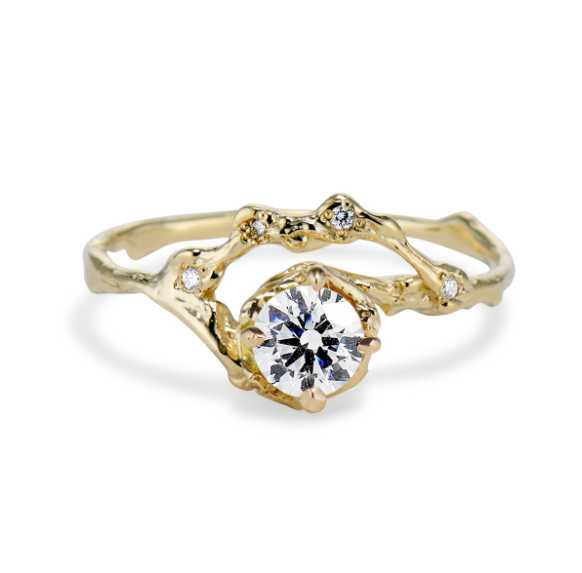
The Moh’s Scale of Hardness ranks a stone's resistance to scratching and helps to clarify how resilient your stone will be for daily wear and tear.
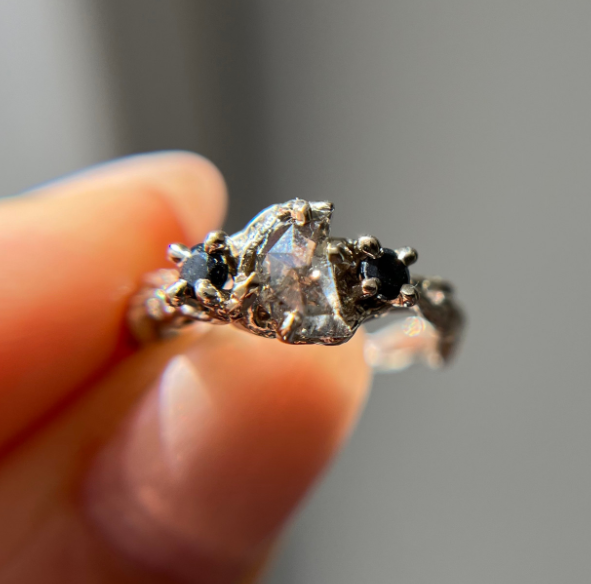
At the top of the scale, we see the dazzling diamonds take reign, with a solid 10 hardness score. It’s no wonder they are the most popular selection for a center stone stunner. And now with the popularity surging for ‘salt and pepper’ diamonds, there’s a lot more to gush over. Not a diamond fan but still craving that disco ball sparkle? Meet Moissanite, a stunning alternative that could be diamond's cousin, or maybe second cousin, twice removed. Unlike diamonds, which give off a crisp white brilliance, Moissanite throws a full-on rainbow light show, and it scores a 9.25 on the Mohs scale. Our beloved rubies and sapphires follow close behind with a solid 9, so if you’re desiring a bit more colorful flare then look no further. We even see our darling topaz getting an 8 for good form. You go Glen Coco! Sadly, our darling moonstone and opal, are on the lower end of the ranks, coming in with a whopping 5 to 6.5 hardness level. Whomp whomp.
This hardness method is still relatively new in the history books. Introduced in 1822, the Mohs scale was born from the inner workings of German geologist Friedrich Mohs. He based the system on the relative ability, or difficulty, it takes for a mineral to be scratched. Two hundred years later, the Mohs scale is still used by gemologists and jewelers alike. Fun fact: It's customary to use this scale as a tool in the decision-making process when choosing a more suitable option for frequently worn jewelry...the more you know.
WHY IS THE MOH’S SCALE IMPORTANT?
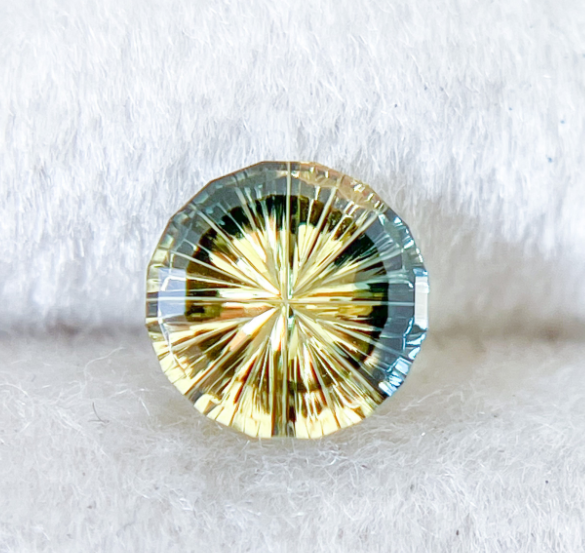
Without the Moh’s scale, we’d be shopping blind. Imagine choosing gems based on sparkle alone, only for it to crack upon first wear. That is SO not fetch. No one wants that kind of a heartbreak, especially when we have kissed so many frogs to get to our forever ring.
Diamonds are a girl's best friend for a reason. Reason being, they're durable as hell. Another solid choice is sapphires, that is, if you’re more of a statement gal who needs a pop of color, in various shade options, that withstand dings, dents, or oh-nos. With a higher Moh’s scale rating, you’re safe to relax and choose from a variety of hues with those captivating sapphires.
WHAT IF I REALLY WANT A SOFT GEMSTONE FOR MY CENTER STONE?
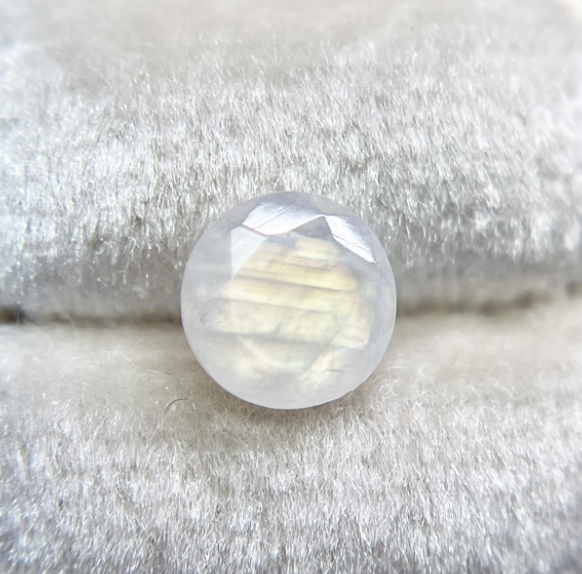
While we don’t typically recommend opting for pearls, opals, and other soft gemstones for the primary stone in your ring, we do understand that your heart wants what it wants. So if you’re set on one of these delicate jewels, it doesn’t mean you have to rule them out completely. However, you may just need to take some extra precautions to preserve these beauties for centuries to come.
KNOW YOUR GEMSTONE FROM THE INSIDE OUT
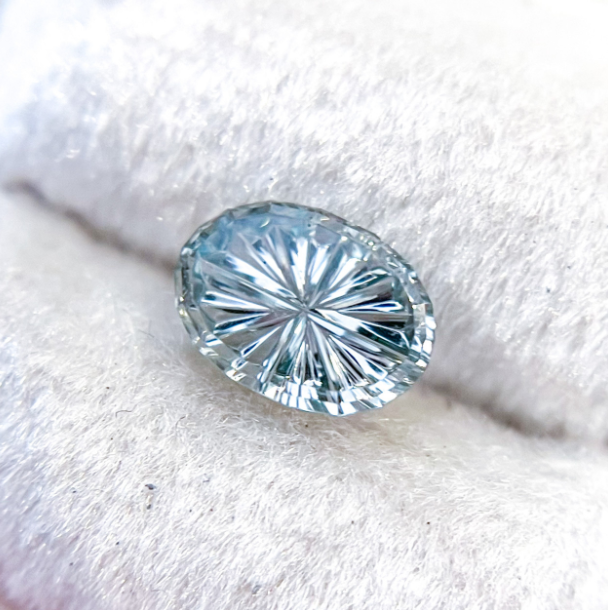
Before you fall in love with a stone, make sure to know what you’re getting yourself into first. Every gemstone has its own unique strengths, while also having weaknesses. Moonstone (rated 6-6.5) and aquamarine (rated 7.5-8), for example, have their own quirks. Moonstone needs to be covered from the sunlight, because unlike a Cullen, they actually lose their shimmer in the light. Aquamarine is temperamental with the heat, so even if you think it’d pair perfectly with your beach dress for your afternoon stroll in the sand, you better think twice about those UV rays.
Understanding the hardness, toughness, and sensitivity of your precious rocks helps you better understand their suitability for daily wear, maintenance, and long-term care. Because the more you know, the better. Let’s stay informed, ladies!
WHEN IN DOUBT TAKE IT OFF
Opting for a softer stone comes with some high-maintenance guidelines.And you may find it safer to forego your dazzle during your day-to-day activities. Consider reserving your ring for special occasions or even substituting with a placeholder ring for daily wear (honestly, who wouldn’t love having a second ring?!). When in doubt, the best choice is to leave your bling behind. Because the only thing worse than realizing that your ring chipped or slipped is realizing you also forgot to insure it. Talk about a tragedy. Of which...
GET RING INSURANCE
It may not be sexy, but it’s smart. We always recommend insuring your ring, especially if it features a fragile or rare stone as you'll want to make sure you’re taken care of in case the unexpected happens. And while you think this could never happen to you, think again! It’s always good to be covered. While it may not be replaceable, insurance guarantees you won’t be left without something. And while insurance may not cover heartbreak from soft stones, it does cover your wallet.
FAQS
WHAT IS THE DIFFERENCE BETWEEN HARDNESS AND TOUGHNESS IN A GEMSTONE?
While the Mohs scale measures a gemstone’s hardness level and its resistance to scratching, it doesn’t tell the whole story. Another measuring unit, known as toughness, is a different story entirely. Toughness refers to how well a stone can handle life’s accidents without chipping, cracking, breaking, or human error. A diamond is a perfect example of this. Even with a solid ten on the Mohs scale, a diamond can still chip if hit the wrong way. On the other hand, jade doesn’t score as high on the Moh’s hardness scale, but it is tough and resistant to breaking. So, when choosing your forever stone, don’t just focus on the physical aura and shine that it exudes. Consider both the hardness and toughness of the stone, especially if your hands tend to stay active. After all, even the most enchanting gemstones deserve care, protection, and love to keep their radiance shining until the end of time.
CAN A GEMSTONE WITH A LOWER MOHS RATING STILL BE USED FOR AN ENGAGEMENT RING?
Yes, any stone that tickles your fancy can be used in an engagement ring. However, that doesn't necessarily mean that it should. Why, you ask? Well, softer stones, such as the breathtaking amethyst or the velvety pearl, require a lot more TLC than, let's say, a resilient ruby or sturdy emerald. Lower-rated stones on the Moh’s hardness scale (ahem, opal and fluorite, we’re looking at you) are usually better suited for those with less active lifestyles or those who aren’t particularly accident-prone. If that doesn’t waver your mind, then may we suggest adding another layer of protection? Choosing a bezel setting is a smart move. You can help prevent bumps, cracks, and let’s be honest, bruised egos. And who doesn’t love peace of mind? While nothing is completely foolproof, think of a bezel setting like a bike helmet for your delicate gem: not a guarantee, but a safeguard worth considering.
HOW SHOULD I CARE FOR GEMSTONES WITH DIFFERENT MOHS HARDNESS RATINGS?
When it comes to cleaning, not all gemstones are created equal. Higher rated stones on the Moh’s hardness scale, such as rubies, sapphires, diamonds or morganites, can handle a bit more cleaning power. So try sticking to dish soap, a baby tooth brush, and a soft cloth to dry those durable deputants. On the other hand, the more tenuous darlings, like opal, pearl and turquoise, deserve a softer approach. Anything below a 7 on the Mohs scale can scratch easily, so ditch the brushes and soap and stick to a soft, dry cloth. While trendy, avoid ultrasonic cleaners and any extreme temperature changes, harsh chemicals, or just about anything that requires human activity. Don’t forget, storage matters. In order to avoid scratching, minerals should be stored separately and away from harder stones. By caring for your gems properly, you help ensure that your pieces become cherished heirlooms, passed down through your lineage as a meaningful way to honor you.
THE MOH’S SCALE: YOUR GUIDE TO A LIFETIME OF SPARKLE
We've uncovered the truths behind the Moh's scale, covering hardness, toughness, gemstone care, and what those ratings mean. But how does that translate to feeling confident when shopping for your engagement ring? Remember, the Moh's scale is a practical tool. Choosing the right stone isn’t just about beauty; it’s about finding a gem that fits you and your lifestyle, and will last for years to come. You can also check out our selection of rough Montana sapphire gemstones if you’re considering a colorful and durable option. And there's no better place to find the perfect blend of both beauty and function than with Olivia Ewing Jewelry. From our pre-made engagement rings to mixing and matching loose gemstones with our stunning settings to designing something that is undeniably you, our gemstones are as strong and enduring as your love.
Meet the Author: Olivia Ewing